
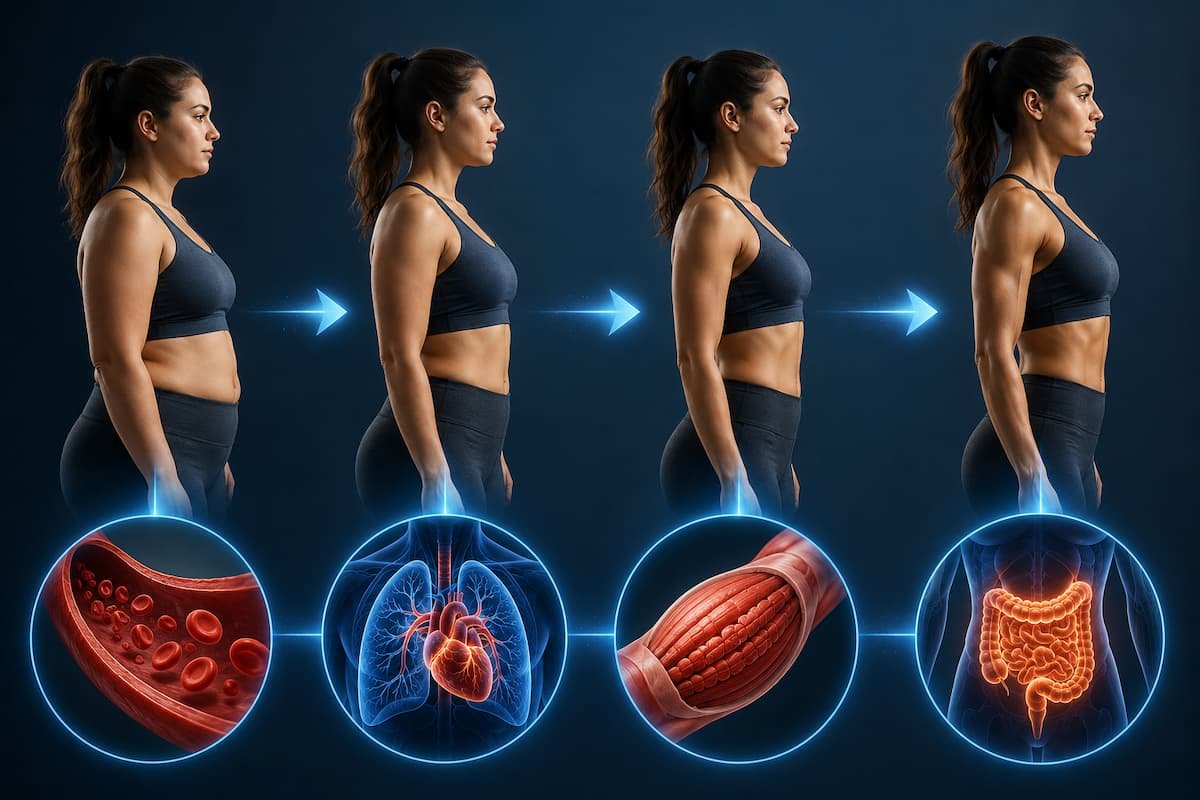
The First Few Days Feel Different
The beginning of a new exercise routine often comes with mixed feelings. During the first few days, muscles that have not been used regularly may become sore. This is completely normal. The body is adjusting to new movements and learning how to handle increased activity. Many beginners notice that simple activities such as climbing stairs or carrying groceries feel slightly harder at first. This temporary discomfort usually improves as the muscles adapt. Getting enough rest, drinking water, and exercising consistently can help reduce soreness.
Mild muscle soreness after exercise is normal, especially during the first week. Severe pain, however, should not be ignored.
Your Heart Starts Becoming More Efficient
One of the earliest changes happens inside your cardiovascular system. As you exercise regularly, your heart begins pumping blood more efficiently. This means oxygen and nutrients reach your muscles more effectively. You may notice that activities that once left you breathless become easier after a couple of weeks. Walking, cycling, or even household chores may require less effort than before. For example, someone who starts taking 30-minute walks every evening might find that by the third week, they can walk farther without feeling tired.
Energy Levels Begin to Improve
It may seem surprising, but regular exercise often increases energy instead of draining it. During the first month, the body becomes better at producing and using energy. Many people report feeling more awake during the day and less sluggish in the afternoon. Physical activity helps improve blood circulation and supports better oxygen delivery throughout the body. From personal experience, many beginners discover that even short workouts leave them feeling refreshed rather than exhausted after the adjustment period.
Your Mood Can Become More Positive
Exercise affects more than muscles and bones. Physical activity also influences mental well-being. During workouts, the body releases chemicals that contribute to feelings of relaxation and happiness.
After a few weeks, some people notice:
- Reduced stress levels.
- Improved concentration.
- Better emotional balance.
- Greater confidence.
- Lower feelings of anxiety.
Even moderate activities such as walking, swimming, or stretching can provide these benefits.
Exercise does not have to be intense to support mental well-being. Consistency matters more than perfection.
Your Muscles Start Adapting
Muscle growth takes time, but important changes begin during the first month. Your nervous system becomes better at activating muscles, which can make movements feel smoother and stronger.
You may notice improvements such as:
- Better balance.
- Improved posture.
- Greater flexibility.
- Increased strength during daily activities.
- Less fatigue when performing physical tasks.
These changes happen even before visible muscle definition appears.
Your Sleep Quality May Improve
Many people struggle with restless nights or inconsistent sleep schedules. Regular physical activity often helps improve sleep quality during the first month. Exercise supports the body’s natural sleep cycle and can help people fall asleep faster. Better sleep also contributes to improved recovery and higher energy levels throughout the day. People who exercise in moderation often wake up feeling more refreshed compared to when they lived a completely inactive lifestyle.
Small Weight Changes Can Happen
Weight loss is often the first thing people expect from exercise. However, changes on the scale vary from person to person. Some individuals may lose a few pounds, while others may see little change. This does not mean exercise is ineffective. During the first month, the body is adapting, building muscle tissue, and storing energy differently. Instead of focusing only on weight, pay attention to other positive signs, such as improved stamina and increased energy.
| Body Change | When It May Be Noticed |
|---|---|
| Muscle soreness | First few days |
| Higher energy levels | 1–3 weeks |
| Improved mood | 1–4 weeks |
| Better endurance | 2–4 weeks |
| Improved sleep quality | 2–4 weeks |
| Visible body changes | Several weeks to months |
Your Flexibility Starts Increasing
If stretching or mobility exercises are included in your routine, flexibility may improve surprisingly quickly. Muscles and joints begin adapting to repeated movement patterns. Simple actions such as bending down, reaching overhead, or sitting comfortably may become easier after several weeks of regular activity. Improved flexibility also lowers the risk of injury and contributes to better posture.
Your Confidence Begins Growing
One of the most rewarding changes during the first month is increased self-confidence. Completing workouts and sticking to a routine creates a sense of accomplishment. Many people feel proud when they notice progress, even if it is small. Being able to walk farther, lift slightly heavier weights, or finish a workout without stopping can boost motivation. This growing confidence often encourages people to continue their healthy lifestyle journey.
Progress does not happen overnight. Small improvements add up over time and create lasting results.
Your Body Learns to Recover Better
Recovery is an important part of fitness. During the first month, the body becomes more efficient at repairing muscle tissue and adapting to physical demands. You may notice that soreness decreases compared to the first week. Workouts that once felt difficult may become easier, allowing you to exercise with greater confidence. This adaptation is one reason consistency is more important than pushing too hard in the beginning.
Healthy Habits Start Forming
The first month is not just about physical changes. It is also about creating routines. Exercising regularly often encourages healthier choices in other areas of life.
Some people naturally begin to:
- Drink more water.
- Spend less time sitting.
- Sleep earlier.
- Pay more attention to meals.
- Manage stress in healthier ways.
These habits can support long-term wellness and improve overall quality of life.
Changes Differ From Person to Person
No two people experience the same results. Age, fitness level, nutrition, sleep, and exercise type all influence how the body responds. Someone who begins with daily walks may notice different changes compared to someone starting strength training or swimming. Both approaches can provide health benefits when done consistently. Comparing yourself with others can create unrealistic expectations. Focusing on personal progress is usually more helpful.
Common Changes During the First Month
| Physical Changes | Mental and Emotional Changes |
|---|---|
| Better endurance | Improved mood |
| Increased strength | Reduced stress |
| Better sleep | Higher confidence |
| Improved flexibility | Greater motivation |
| More energy | Better focus |
Staying Consistent Matters More Than Being Perfect
Many beginners believe every workout has to be intense or long. In reality, consistency matters much more. Missing a day or having a less active week does not erase progress. A simple routine that includes walking, stretching, bodyweight exercises, or cycling can provide meaningful health benefits. Gradual progress often leads to better long-term success than extreme routines.
Summary
The first month of exercise brings many positive changes, even if they are not immediately visible. Your heart becomes more efficient, energy levels improve, sleep quality gets better, and muscles start adapting. Mental benefits such as reduced stress and increased confidence are also common.
Everyone progresses at a different pace, and visible changes may take longer than expected. However, the improvements happening inside the body during those first few weeks lay the foundation for better health in the future. Staying consistent, being patient, and celebrating small victories can make the journey more enjoyable and sustainable.
FAQs
1. Can I see physical changes after one month of exercise?
Some people notice small changes in strength, endurance, and energy levels, but visible body changes usually take longer.
2. Is muscle soreness normal when starting exercise?
Yes. Mild soreness is common during the first few days or weeks as muscles adapt to new activities.
3. How often should beginners exercise?
Most health experts recommend moderate physical activity several times a week, along with rest days for recovery.
4. Why do I feel more energetic after exercising regularly?
Exercise improves blood circulation and helps the body use oxygen more efficiently, which can increase energy levels.
5. What is the most important thing during the first month?
Consistency is usually more important than intensity. Building a regular habit helps create long-term success.
Sources and References
- World Health Organization (WHO)
- Centers for Disease Control and Prevention (CDC)
- American Heart Association
- National Institutes of Health (NIH)
- Harvard T.H. Chan School of Public Health

Aisha Patel is the main writer and editor at GameVolts, a site she built to make neuroscience and health research useful for everyday people. She covers sleep, digital wellness, beginner fitness, skin science, and productivity — always digging into the original studies rather than recycling headlines. Aisha started GameVolts because she kept finding wellness advice that contradicted itself and rarely linked to actual evidence. Her rule is simple: if she cannot explain the mechanism behind a claim, she does not publish it.