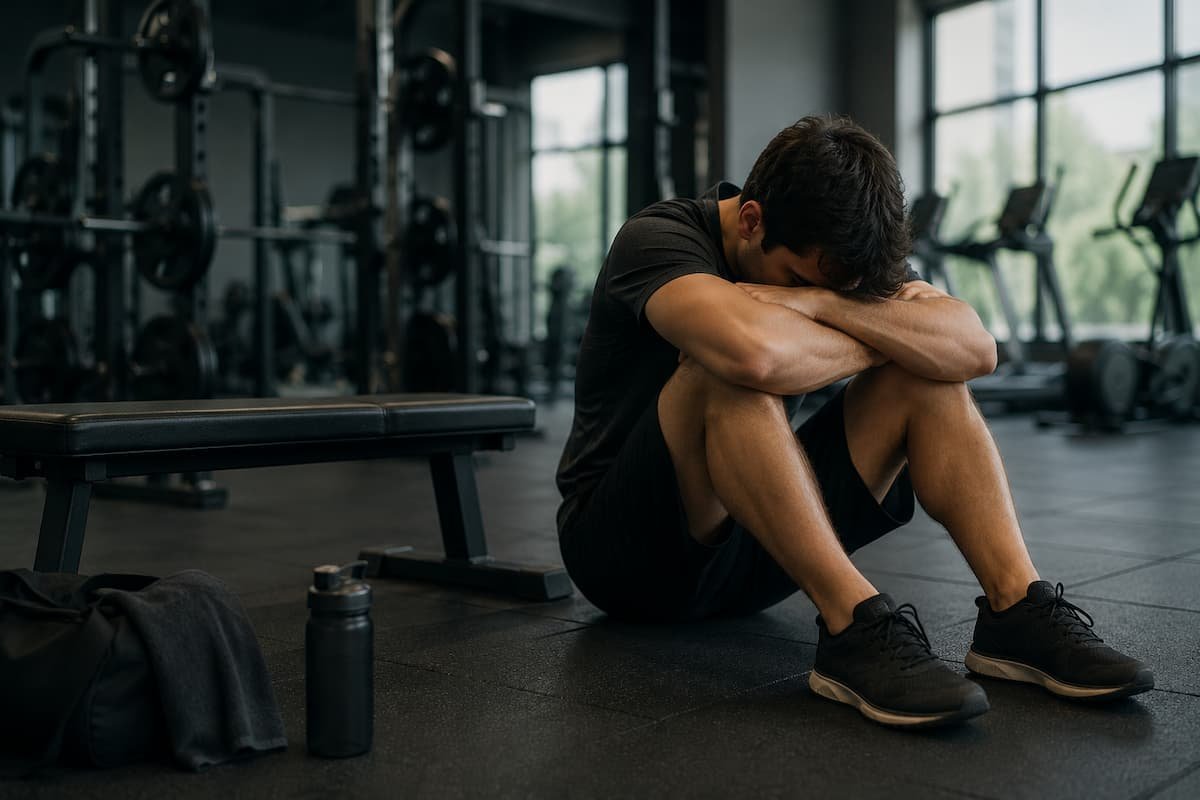
Starting a fitness routine feels amazing at first. You lace up your shoes, you feel the burn, and you tell yourself this time is different. But somewhere around day eight or nine, something shifts. The excitement fades, your muscles ache in ways you did not expect, and suddenly that morning jog feels like a punishment instead of a promise. If you have ever been there, you are far from alone. Research consistently shows that the second week of a new fitness program is where the highest dropout rate occurs.
It is not because people are lazy or lack willpower. It is because week two is where reality meets expectation, and most people are not prepared for that collision. Understanding why this happens can help you push through the wall that stops so many others. Let us talk about what is really going on during that brutal second week and how you can come out the other side stronger.
The Honeymoon Phase Ends Fast
The first week of any new fitness plan is powered by pure adrenaline and fresh motivation. You are trying new things, posting updates, and feeling proud of every small win. Your brain is flooding you with dopamine because everything is novel and exciting. That novelty acts like a shield against discomfort. You might feel sore, but you brush it off because you are finally doing something good for yourself. By week two, that shield cracks. The newness wears off, and your brain stops rewarding you with those feel-good chemicals.
Suddenly, the same workout that felt empowering now feels repetitive and draining. This is completely normal, but most people mistake this emotional dip for a sign that fitness is not for them. It is not that you chose the wrong workout or that your body is failing you. It is simply that motivation is an unreliable fuel source. The people who stick with fitness long term are the ones who learn to show up even when the excitement is gone. They build habits that do not depend on feeling inspired every single day.
Your Body Rebels in Ways You Did Not Expect
Week one soreness is one thing, but week two soreness is a different beast entirely. During your first few sessions, your body is in shock mode. It is busy figuring out what you are doing, and sometimes that initial confusion masks the deeper fatigue building up underneath. By the second week, delayed onset muscle soreness hits harder, and your central nervous system starts waving red flags. You might feel more tired than usual, struggle to sleep, or notice your appetite swinging wildly. Some people even catch a cold because their immune system is temporarily stressed from the new demands. All of this is your body adapting, but it feels awful in the moment.
The problem is that nobody warns beginners about this phase. We see fitness influencers looking energetic and strong, so when we feel the opposite, we assume we are doing something wrong. The truth is that adaptation is uncomfortable by design. Your muscles are tearing and rebuilding, your cardiovascular system is expanding its capacity, and your metabolism is recalibrating. These changes are invisible, but the fatigue is very real. If you can remind yourself that feeling worse before you feel better is part of the process, you are much less likely to throw in the towel.
Life Starts Demanding Your Time Again
When you start a fitness routine, you usually clear your schedule and make it a priority. You might wake up earlier, skip evening plans, or rearrange your whole day around that new habit. But life has a way of creeping back in. By week two, work emails pile up, family obligations resurface, and that friend you canceled on wants to meet for dinner. Your willpower reserves, which were already stretched thin from the physical demands of exercise, now get pulled in a dozen different directions. This is where the time excuse becomes so tempting. It is easy to tell yourself you will get back on track tomorrow, but tomorrow turns into next month faster than you think.
The people who survive week two are the ones who treat their workouts like non-negotiable appointments. They do not wait for a perfect hour of free time. They squeeze in twenty minutes when they can, and they accept that something is always better than nothing. You do not need a full gym session to keep your momentum alive. A brisk walk, a quick bodyweight circuit, or even ten minutes of stretching counts as showing up. The goal during week two is not perfection. The goal is simply to avoid a zero.
The Results Do Not Show Up Yet
We live in an instant-gratification world, and fitness is one of the slowest rewards out there. After one week, you might notice a small boost in energy or sleep quality, but the mirror and the scale usually stay the same. By week two, that lack of visible progress starts to sting. You are working hard, you are sore, you are tired, and you have nothing flashy to show for it. Social media makes this ten times worse because you are bombarded with transformation photos and promises of rapid results. It is easy to start thinking that if you are not seeing abs by day fourteen, you must be failing. Here is the reality that nobody likes to hear.
Real fitness results take months, not weeks. Your body is making changes beneath the surface that you cannot see yet. Your heart is getting stronger, your mitochondria are multiplying, and your muscles are learning to store more energy. These adaptations are the foundation for everything that comes later. If you quit in week two, you never give your body the chance to reveal those changes. The people who transform their health are not the ones with the best genetics or the most time. They are the ones who kept going when the results were invisible.
Your Brain Starts Negotiating with You
Week two is where the mental games really begin. You start having little conversations with yourself that sound perfectly reasonable. Maybe you tell yourself you deserve a break because you worked so hard last week. Maybe you decide that your body type is just not built for this, or that you will start again when work calms down. These thoughts feel like logic, but they are actually your brain trying to conserve energy. Your mind is incredibly good at protecting you from discomfort, and it will craft very convincing arguments to get you back on the couch. The danger is that these thoughts feel true in the moment.
They do not sound like excuses. They sound like self-care. Learning to recognize this mental chatter for what it is can be a game changer. When you notice yourself negotiating, pause and ask whether you are actually injured or just uncomfortable. There is a massive difference between pain that causes harm and discomfort that causes growth. Most of the time, week two discomfort falls into the second category. The trick is to stop treating every hard feeling like a stop sign. Sometimes it is just a speed bump, and speed bumps are meant to be driven over.
How to Actually Survive Week Two
If week two is the graveyard of fitness goals, then the people who make it to week three have learned a few secrets. First, they lower the pressure. They do not expect every workout to be their best workout. Some days they show up and go through the motions, and they are okay with that because motion beats meditation every time. Second, they connect fitness to something deeper than looks. They focus on how they sleep better, handle stress more smoothly, or feel proud of themselves for keeping a promise. These internal rewards last much longer than any external validation.
Third, they build in accountability that does not depend on their own mood. That might mean a workout buddy, a class they paid for, or simply laying out their clothes the night before so the barrier to starting is lower. The most important thing to remember is that week two is not a sign to quit. It is a filter that separates dabblers from doers. Everyone who has ever built a lasting fitness habit has pushed through this exact moment. You are not broken, you are not lazy, and you are definitely not alone. You are just in the middle of the hardest part, and the other side is closer than it feels.
Frequently Asked Questions
1. Why is week two harder than week one for fitness beginners?
Week one is fueled by excitement and novelty, which mask physical discomfort. By week two, that emotional boost fades while muscle soreness and fatigue peak. Your body is adapting, but the mental high is gone, making everything feel harder than it actually is.
2. Is it normal to feel more tired during the second week of working out?
Yes, this is very normal. Your central nervous system and immune system are adjusting to new physical demands. You might feel extra tired or even slightly under the weather. This is a temporary phase as your body builds new capacity and efficiency.
3. How can I stay motivated when I do not see results yet?
Focus on invisible wins like better sleep, improved mood, or increased energy. Visible changes take months, but internal adaptations start immediately. Tracking how you feel rather than how you look can keep you going during the early weeks.
4. What should I do if I miss a workout during week two?
Do not let one missed day become a missed week. Do something small the next day, even if it is just a walk or stretching. The goal is to keep your habit alive, not to be perfect. Consistency over time matters far more than any single session.
5. Does everyone struggle in week two, or am I doing something wrong?
Almost everyone struggles in week two. It is the most common dropout point for a reason. Feeling challenged does not mean you are failing. It means your body and mind are adjusting, and that adjustment is a necessary step toward lasting fitness.

Aisha Patel is the main writer and editor at GameVolts, a site she built to make neuroscience and health research useful for everyday people. She covers sleep, digital wellness, beginner fitness, skin science, and productivity — always digging into the original studies rather than recycling headlines. Aisha started GameVolts because she kept finding wellness advice that contradicted itself and rarely linked to actual evidence. Her rule is simple: if she cannot explain the mechanism behind a claim, she does not publish it.