If you have ever felt guilty about skipping the gym, you are not alone. Many people believe that taking a day off means losing progress. The truth is that rest days are when the real magic happens. Your muscles do not grow while you are lifting weights. They grow while you are resting. Understanding what actually happens during recovery can change the way you think about fitness forever. This article will walk you through the science of muscle recovery in plain English, so you can train smarter and feel better about your downtime.
Why Rest Days Are Not Lazy Days
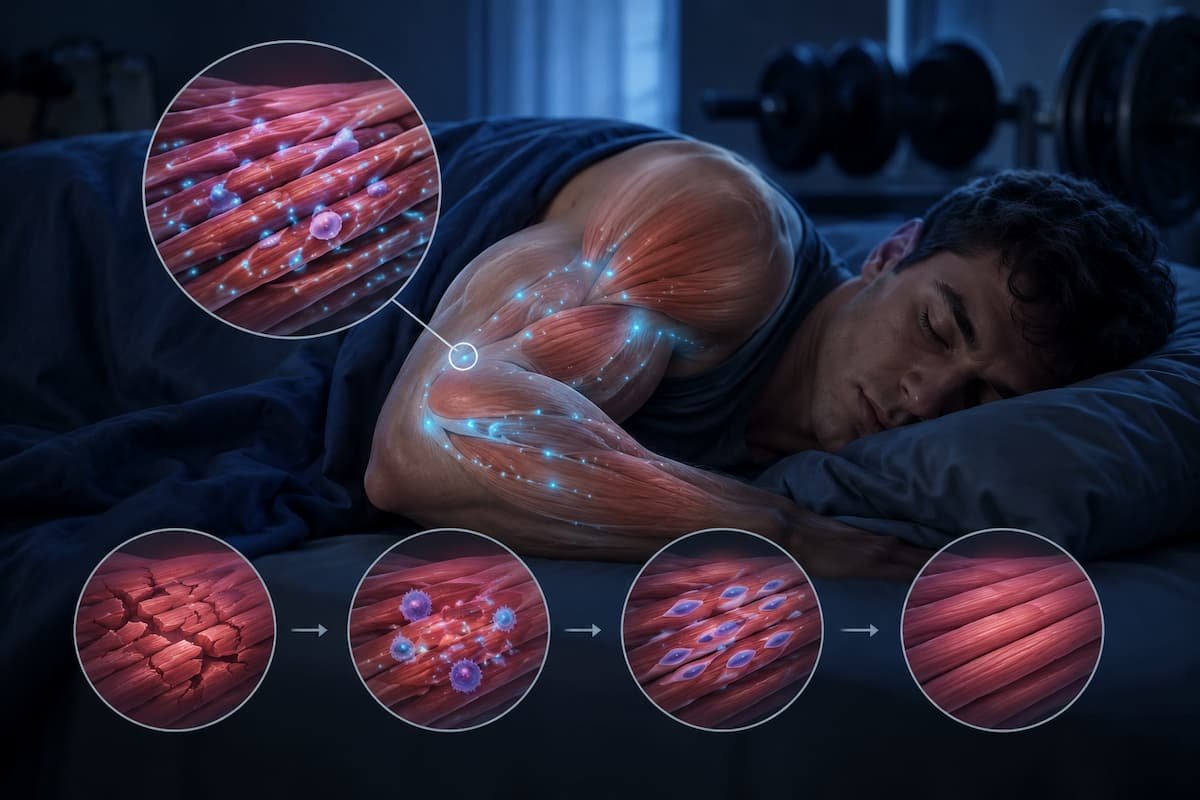
When you finish a tough workout, your muscles feel tired and sore for a reason. You have created tiny tears in the muscle fibers, and your body sees this as a signal to rebuild. During a rest day, your body sends special cells to those damaged areas to start the repair process. This is completely natural and necessary. Without rest, those tears never fully heal, and you stay sore longer than you should. Think of it like fixing a small hole in a wall. You need time for the plaster to dry before you paint over it. Your muscles work the same way. Rest gives your body the space it needs to patch things up and make them stronger than before. So the next time you feel bad about resting, remember that your body is working hard even when you are not moving.
How Protein Helps Rebuild Your Muscles
Protein is often called the building block of muscle, and that nickname exists for a good reason. After a workout, your muscles are hungry for amino acids, which are the small pieces that make up protein. On rest days, eating enough protein gives your body the raw materials it needs to rebuild those tiny tears. Foods like eggs, chicken, fish, beans, and yogurt are excellent sources. You do not need to eat like a professional athlete, but you should aim to include some protein with every meal. Your body can only use so much at once, so spreading it out across the day works better than eating one giant plate of meat. During recovery, your cells grab those amino acids and weave them into the muscle fibers, making them thicker and stronger. This process does not happen instantly, which is why consistent nutrition over time matters more than any single meal.
The Role of Sleep in Muscle Recovery
Sleep is the most underrated part of any fitness plan. When you drift off at night, your body enters a state where it can focus fully on repair and growth. Growth hormone levels rise during deep sleep, and this hormone plays a major role in rebuilding muscle tissue. If you cut your sleep short, you cut your recovery short too. Most adults need between seven and nine hours of quality sleep to feel their best. Poor sleep also affects your energy levels and mood, which makes it harder to stick with your workout routine in the first place. Creating a simple bedtime habit can help. Try going to bed at the same time each night, keeping your room cool and dark, and avoiding screens for at least thirty minutes before bed. These small changes add up, and your muscles will thank you for the extra recovery time.
What Happens to Soreness Over Time
Muscle soreness, often called delayed onset muscle soreness, usually peaks one to two days after a workout. On your rest day, you might feel stiff when you get out of bed or walk up stairs. This happens because your muscles are inflamed as part of the healing response. Blood flow increases to the area, bringing nutrients and clearing out waste products. Light movement like walking or gentle stretching can help this process along without causing more damage. The soreness fades as your muscles finish repairing themselves. Over weeks and months of consistent training and rest, your body adapts. Workouts that once left you barely able to move will eventually feel easier. This is a sign that your recovery system is working well and your muscles are getting stronger.
The Difference Between Rest and Active Recovery
Not every rest day needs to mean doing absolutely nothing. Active recovery involves light physical activity that keeps blood moving without adding stress to your muscles. A slow bike ride, a casual swim, or a walk around your neighborhood are all great examples. This kind of movement helps deliver nutrients to your muscles and can actually reduce stiffness compared to sitting on the couch all day. That said, true complete rest has its place too. If you feel exhausted, mentally drained, or dealing with lingering pain, a full day of relaxation might be exactly what you need. The key is listening to your body rather than following a rigid schedule. Some weeks you might need more active recovery, and other weeks you might need to do nothing at all. Both approaches support muscle repair in different ways.
How Long Your Muscles Need to Recover
Recovery time depends on several factors, including your age, fitness level, sleep quality, and how hard you trained. A beginner might need two or three rest days between intense sessions for the same muscle group. Someone who has been training for years might recover in forty-eight hours. Larger muscle groups like your legs and back generally need more time than smaller ones like your arms and shoulders. If you train the same muscles too soon, you interrupt the repair process and risk overtraining. Signs of insufficient rest include persistent soreness, decreased strength, poor sleep, and low motivation. Giving each muscle group at least one full rest day before working it again is a safe rule of thumb for most people. Patience pays off here, because rushing back to the gym too early only slows your long-term progress.
Why Nutrition Matters on Days You Do Not Exercise
What you eat on rest days is just as important as what you eat on training days. Your body is still using energy to repair muscle tissue, rebuild glycogen stores, and support your immune system. Skipping meals or eating poorly because you did not work out is a common mistake. Complex carbohydrates like oats, rice, and sweet potatoes help refill the fuel your muscles use during exercise. Healthy fats from nuts, avocados, and olive oil support hormone production, which also plays a role in recovery. Hydration matters too, since water transports nutrients throughout your body and helps remove waste. Aim to drink water consistently throughout the day rather than chugging a bottle right before bed. Treating rest days as nutrition days, not cheat days, will speed up your recovery and improve your next workout performance.
Common Myths About Rest and Muscle Loss
One of the biggest fears people have is that taking a day off will make their muscles shrink. This myth keeps many gym-goers trapped in a cycle of overtraining. The reality is that you will not lose muscle from one or two rest days. Significant muscle loss takes weeks of complete inactivity and poor eating. In fact, short periods of rest can make your muscles grow larger because they finally have time to fully repair. Another myth is that you must feel sore to know you are making progress. Soreness is not the only indicator of a good workout. Sometimes your muscles recover without much discomfort at all. Trust the process and focus on consistency rather than daily soreness. Your body is smarter than you think, and it knows how to maintain muscle when given proper rest and food.
How to Plan Your Rest Days for Better Results
Planning rest days does not need to be complicated. A simple approach is to alternate hard training days with lighter activity or full rest. For example, if you train your upper body on Monday, focus on your lower body on Tuesday, and take Wednesday completely off. This gives each muscle group time to recover while keeping you active overall. Some people prefer to train hard for three or four days and then take one full rest day. There is no single perfect schedule that works for everyone. Pay attention to how your body feels and adjust accordingly. Keeping a basic workout log can help you spot patterns. If you notice your strength dropping or your mood worsening, it might be time to add an extra rest day. Recovery is not a sign of weakness. It is a strategy that leads to better strength, endurance, and long-term health.
FAQs
1. Will I lose strength if I take two rest days in a row?
No, you will not lose strength from two rest days. Your muscles use that time to repair and grow stronger. Many experienced lifters take two or three rest days per week and continue to make progress.
2. Should I eat less on rest days since I am not working out?
You should not eat significantly less on rest days. Your body still needs protein, carbohydrates, and healthy fats to repair muscle tissue and refill energy stores. Keep your meals balanced and consistent.
3. Does stretching on rest days help muscle recovery?
Gentle stretching and light movement can improve blood flow and reduce stiffness. However, aggressive stretching of very sore muscles might cause more irritation. Keep it easy and stop if anything hurts.
4. How do I know if I need a rest day or if I should push through?
If you feel unusually tired, have lingering soreness, or notice your performance dropping, take a rest day. Pushing through fatigue increases your risk of injury and slows long-term progress.
5. Can I do cardio on my rest days?
Light cardio like walking or easy cycling counts as active recovery and can be beneficial. Avoid high-intensity cardio if your goal is to let specific muscles recover from strength training.

Aisha Patel is the main writer and editor at GameVolts, a site she built to make neuroscience and health research useful for everyday people. She covers sleep, digital wellness, beginner fitness, skin science, and productivity — always digging into the original studies rather than recycling headlines. Aisha started GameVolts because she kept finding wellness advice that contradicted itself and rarely linked to actual evidence. Her rule is simple: if she cannot explain the mechanism behind a claim, she does not publish it.