
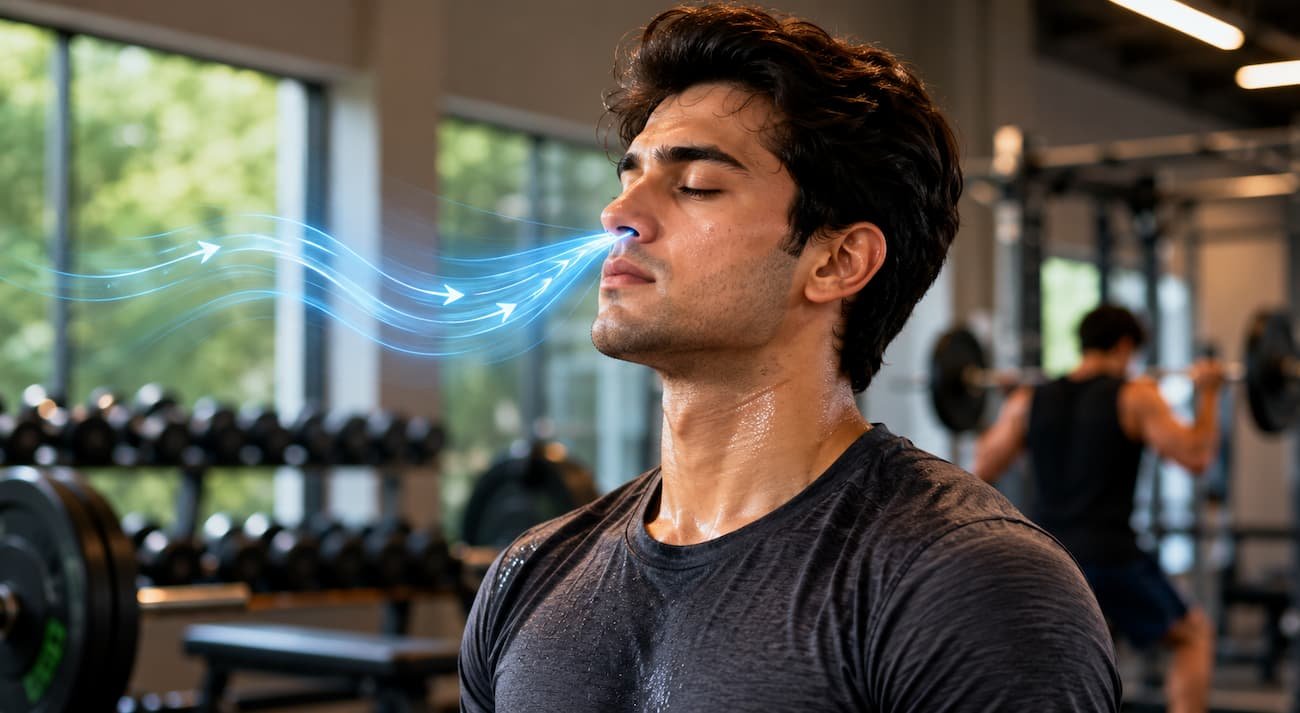
Most people focus on exercise routines, workout duration, and diet plans, but very few pay attention to something they do every second of the day: breathing. During exercise, many people automatically switch to mouth breathing without thinking about it. However, learning to breathe through the nose during physical activity can make a surprising difference. It may improve endurance, support better oxygen use, and even help recovery after exercise.
Although mouth breathing has its place during very intense activity, nose breathing offers several benefits that many people overlook. Understanding how it works can help anyone develop healthier workout habits.
Understanding the Difference Between Nose Breathing and Mouth Breathing
Nose breathing and mouth breathing may seem similar, but they affect the body differently. The nose acts as a natural filter. Tiny hairs and mucus trap dust and particles while warming incoming air. Mouth breathing bypasses these protective processes.
During moderate physical activity, breathing through the nose encourages slower and deeper breaths. This allows the lungs to absorb oxygen more efficiently and helps maintain better control over breathing patterns.
| Feature | Nose Breathing | Mouth Breathing |
|---|---|---|
| Air Filtration | Yes | Minimal |
| Moistens Incoming Air | Yes | No |
| Promotes Slower Breathing | Yes | No |
| Common During High Intensity Exercise | Less Common | More Common |
How Nose Breathing Improves Oxygen Efficiency
Many people assume faster breathing means more oxygen. In reality, the body works best when oxygen and carbon dioxide stay balanced. Nose breathing helps maintain that balance. The nasal passages produce nitric oxide, a molecule that supports blood vessel function and helps oxygen travel throughout the body. Better oxygen delivery means muscles can work more efficiently during physical activity. This doesn’t necessarily mean athletes will instantly perform better, but over time, improved breathing habits may contribute to greater endurance and less unnecessary fatigue.
Supporting Better Endurance During Exercise
Endurance is not only about muscle strength. Breathing efficiency plays an important role. People who practice nose breathing during walking, jogging, cycling, or light strength training often notice they can maintain a steady pace more comfortably. By slowing the breathing rate, the body learns to become more efficient. Instead of quickly becoming out of breath, the heart and lungs gradually adapt to work together more effectively. For beginners, this adjustment period may feel challenging. Breathing through the nose during exercise often requires slowing down temporarily, but consistency usually makes the process easier.
The Role of Nose Breathing in Heart Rate Control
Controlled breathing influences the nervous system. Slow and steady breaths can encourage relaxation and prevent the body from entering a state of unnecessary stress. During moderate exercise, nose breathing may help maintain a more stable heart rate. This allows many people to exercise comfortably without feeling exhausted too early. Fitness enthusiasts often describe feeling calmer and more focused when they develop better breathing habits. The difference may seem small at first, but over time it becomes more noticeable.
Reducing Dry Mouth and Throat Discomfort
Anyone who has finished a workout with a dry mouth knows how uncomfortable it can be. Mouth breathing causes moisture loss and may leave the throat feeling irritated. Nasal breathing naturally humidifies the air before it reaches the lungs. This can make longer workouts more comfortable, especially during colder seasons or in dry environments. Many runners and walkers discover that breathing through the nose helps them feel less dehydrated after exercise.
Encouraging Better Breathing Habits Throughout the Day
Exercise habits often influence daily life. People who consciously practice nose breathing during workouts frequently become more aware of their breathing while working, studying, or resting. This awareness can promote better posture and more relaxed breathing patterns. Instead of taking shallow chest breaths, many individuals gradually develop deeper breathing habits. Healthy breathing patterns support overall comfort and can help reduce feelings of tension during busy days.
Why Beginners Often Find Nose Breathing Difficult
Switching from mouth breathing to nasal breathing is similar to learning a new skill. It requires patience and practice.
Some common reasons people struggle include:
- Habitual mouth breathing.
- Exercising at very high intensity.
- Nasal congestion.
- Poor breathing awareness.
- Trying to change too quickly.
Feeling uncomfortable in the beginning is completely normal. The body needs time to adapt to new breathing patterns.
Practical Ways to Practice Nose Breathing During Workouts
Gradual progress usually works best. Starting with low-intensity activities allows the body to adjust without excessive strain.
Walking
Walking is one of the easiest ways to practice nasal breathing. Maintaining a comfortable pace helps build confidence.
Light Jogging
Jogging slowly while focusing on controlled breathing allows the lungs to adapt naturally.
Cycling
Easy cycling sessions provide an excellent opportunity to develop breathing awareness.
Strength Training
Controlled breathing between repetitions can improve focus and rhythm during resistance exercises.
| Activity | Difficulty Level for Nose Breathing |
|---|---|
| Walking | Easy |
| Yoga | Easy |
| Light Cycling | Moderate |
| Jogging | Moderate |
| Sprinting | Advanced |
Personal Experience Many Exercisers Share
People who intentionally switch to nose breathing often report similar experiences. At first, workouts may feel slower and slightly more difficult. However, after several weeks, breathing becomes smoother and exercise feels more controlled. Many recreational runners and fitness enthusiasts mention feeling less breathless and more comfortable during moderate-intensity sessions. These experiences vary from person to person, but they highlight how breathing habits influence physical activity.
When Mouth Breathing May Still Be Necessary
Nose breathing is beneficial, but it is not an absolute rule. During high-intensity activities such as sprinting or competitive sports, the body may naturally require additional airflow. There is no need to force nose breathing if it creates excessive discomfort. The goal is to improve breathing efficiency, not create unnecessary stress. People with chronic nasal blockage or medical conditions should consult a healthcare professional if breathing problems interfere with daily life or exercise.
The Connection Between Breathing and Recovery
Recovery is an important part of fitness. Controlled breathing after exercise helps the body transition from intense activity to a more relaxed state. Slow nasal breaths during cool-down periods may help lower breathing rates and encourage relaxation. This simple habit can make post-workout recovery feel smoother and more comfortable.
Simple Daily Habits That Support Nose Breathing
Developing better breathing patterns does not require major changes. Small habits can make a difference.
- Practice nose breathing during walks.
- Focus on slower breaths while stretching.
- Maintain good posture.
- Stay physically active.
- Pay attention to breathing patterns during daily tasks.
These small adjustments often become automatic over time.
Summary
Nose breathing during workouts may seem like a small detail, but it can influence comfort, endurance, oxygen efficiency, and overall exercise experience. By slowing breathing and encouraging better control, nasal breathing supports the body’s natural systems.
Although it takes time to develop, many people find that learning to breathe through the nose helps them exercise more comfortably and become more aware of their breathing habits. Whether someone enjoys walking, jogging, cycling, or strength training, paying attention to how they breathe can make a meaningful difference in the long run.

Aisha Patel is the main writer and editor at GameVolts, a site she built to make neuroscience and health research useful for everyday people. She covers sleep, digital wellness, beginner fitness, skin science, and productivity — always digging into the original studies rather than recycling headlines. Aisha started GameVolts because she kept finding wellness advice that contradicted itself and rarely linked to actual evidence. Her rule is simple: if she cannot explain the mechanism behind a claim, she does not publish it.